Rice
- Home
- Rice
Few ingredients are as widely loved and used as rice. It feeds around half the world and turns up in everything from a simple weeknight side to the grand centrepiece of a celebration. Part of its magic is variety, since the different grain types behave completely differently once they hit the saucepan, each creating hundreds of opportunities for fantastic meals.
Get to know the main types of rice and what each does best, learn simple methods for cooking rice well, and find the right dishes to put every glorious grain to work, from creamy risottos to fragrant biryanis. And there is guidance, on storing rice safely and on the small habits that lift an everyday pot from simply steamy to sublime. Whatever you are cooking, this is the place to begin.
Types of rice
Rice is usually sorted into three groups:
Long-grain rice, such as basmati and jasmine, is high in a starch called amylose, which keeps the grains light and separate, making it perfect for pilafs, biryani, and fluffy side dishes.
Medium-grain rice holds more of the stickier starch that dissolves as it cooks, giving dishes a touch of creaminess. These include arborio rice, which is the natural choice for risottos.
Short-grain rice, including sushi rice, is stickier and clings together well, which is exactly what a sushi roll or a rice pudding needs.
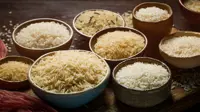
Beyond grain length, rice also differs in how it is processed. Wholegrain types, such as brown and black rice, keep their nutritious outer layers. Wild rice is actually not rice, but a North American grass seed cooked in much the same way. Each type behaves differently in the saucepan, which is what makes one rice right for a creamy risotto and another for a drier pilaf.
For a full breakdown of every variety, how each cooks, and what it suits, see this guide to rice types.
Cook up these easy rice recipes
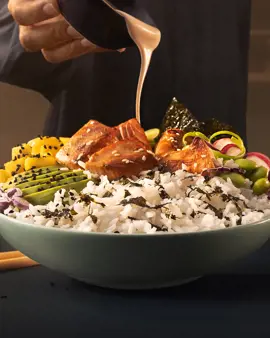
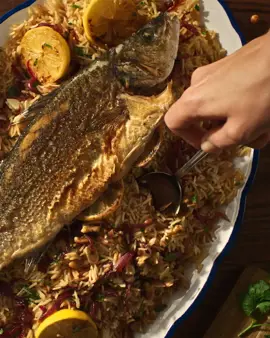
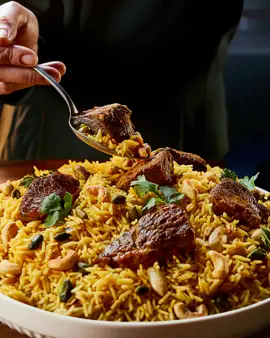
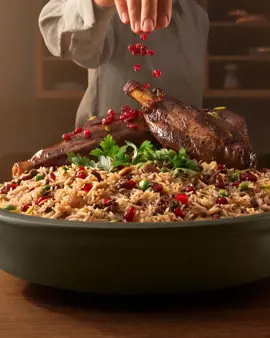
These easy rice recipes are perfect when time is short, but you still want a good meal. Our shrimp fried rice comes together in around 20 minutes, tossing garlic, ginger, egg, and vegetables with the rice before crowning it all with plump, butter-fried shrimp. A lamb kabsa needs more cooking time, but is still easy to prepare. This recipe slow-cooks the meat until it falls apart, then cooks the rice in its fragrant stock for a proper sharing platter. For more inspiration and practical techniques, see our guide to one-pot rice tips.


How to cook rice
Cooking rice well comes down to two things: the right amount of water and the right method for the rice type. The everyday standard is the absorption method, where the rice simmers in a measured amount of water until absorbed, using a ratio of roughly two parts of water to one part of rice.
A second option is the rapid-boil method, where you cook the rice in plenty of unmeasured water and then drain it, much like pasta. This method suits longer-cooking grains such as brown and wild rice. A rice cooker maintains a steady heat and steam, so the grains cook evenly and you can keep your hands free.
Different types of rice require different preparation and cooking methods. Sushi rice needs to be rinsed well before cooking and needs less water to get its characteristic texture. Brown, black, and wild rice all need more water and are noticeably longer on the heat than white rice. Whichever method you use, the golden rule holds across nearly all of them: keep the lid on while it steams and resist the urge to lift it to peek. For the full step-by-step method, see the in-depth guide on how to cook rice.
Chicken and rice dishes
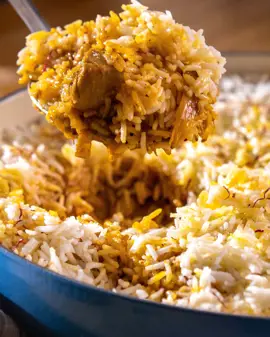
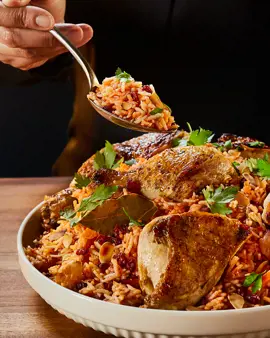
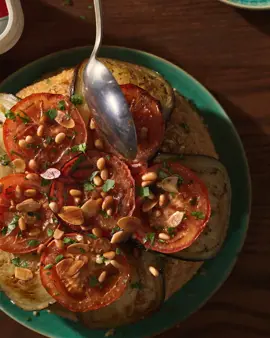
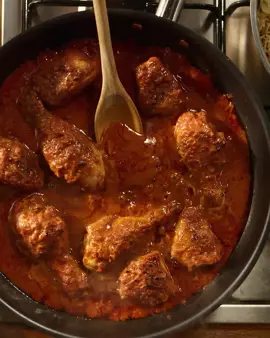
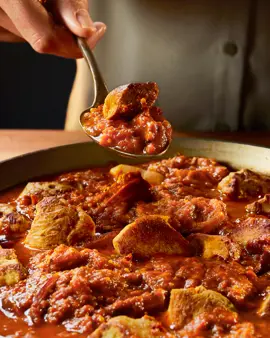
Chicken and rice are a perfect pairing that travels across the globe. Chicken maqluba is an impressive chicken and rice showstopper whose name means "upside-down". It is layered in one pot and flipped onto a platter, so it arrives as a striking tower of chicken, aubergine, and spiced rice. For something quicker, a chicken curry simmers tender chicken in a mild, creamy sauce made to be spooned over plain rice on a busy evening. Find more inspiration, check these 5 chicken and rice recipes from around the world.
6 Creamy risotto recipes
Few dishes reward a little patience like a good risotto. Stir hot stock into the rice, one ladleful at a time. Finish it with butter and cheese off the heat, and watch as plain grains turn into a silky, indulgent meal. Here are six recipes to try today. See our guide to creamy risotto and learn how to create a rich, crowd-pleasing dish every time, then put your skills into practice with these six recipes.
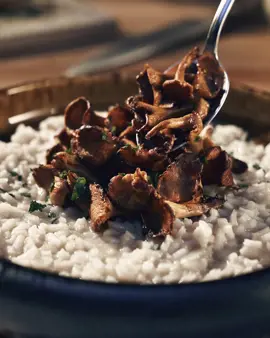
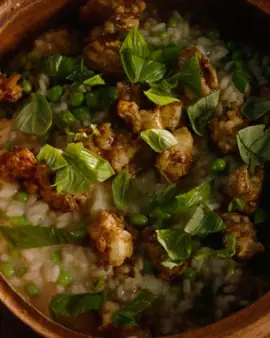
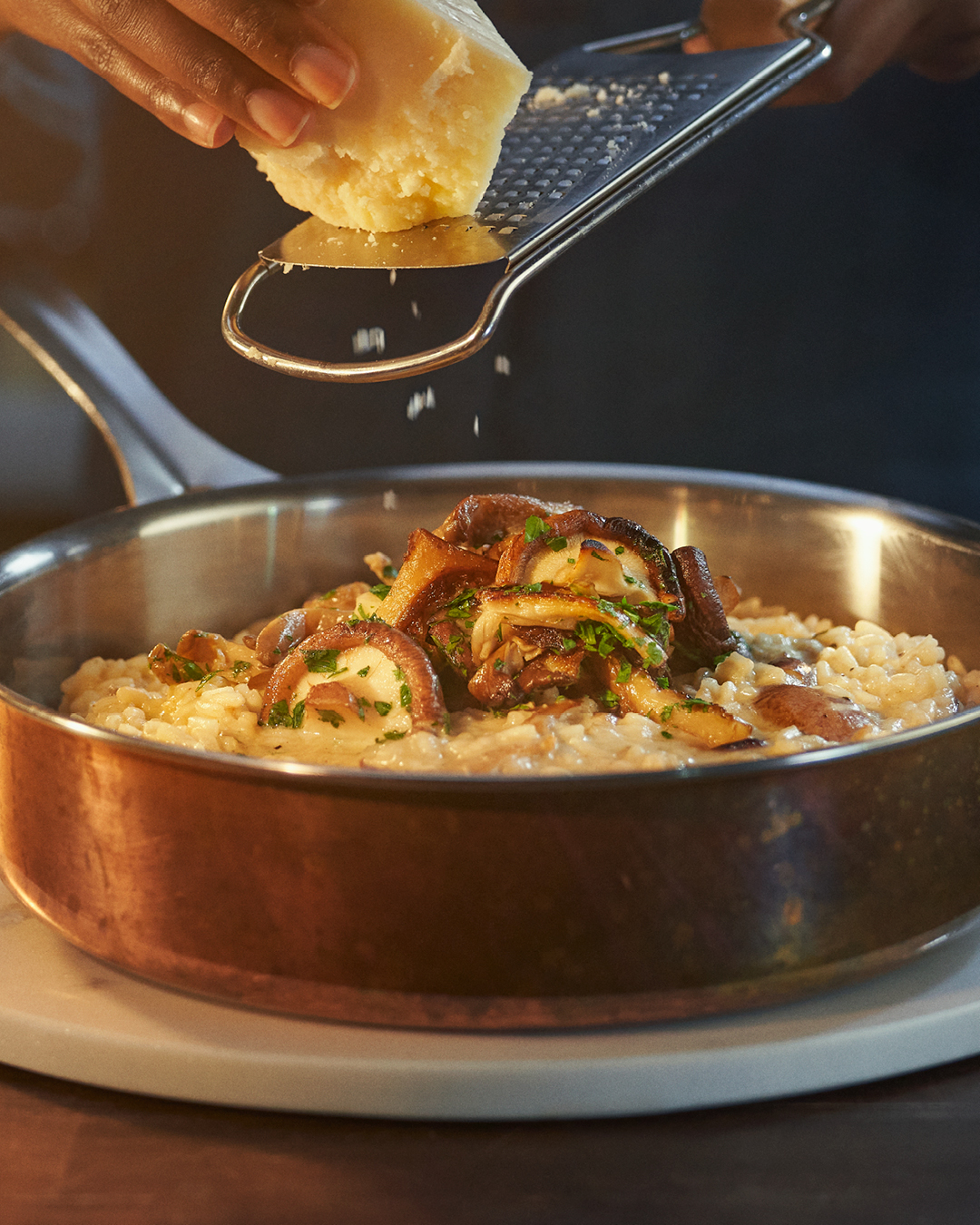

Mushroom risotto is a true umami classic. Wild mushrooms give it an earthy depth, while thyme threads a herbal note through the base. Finished with butter and parmesan beaten in off the heat, it is pure comfort in a bowl.
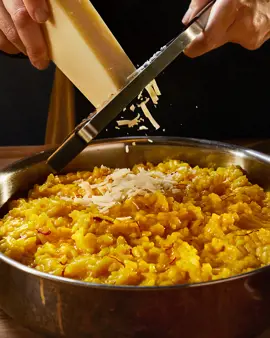
For something brighter, saffron risotto balances golden saffron, parmesan, and lemon in a dish that feels far grander than its short ingredient list suggests. It works equally well for weeknight dinners and special occasions.
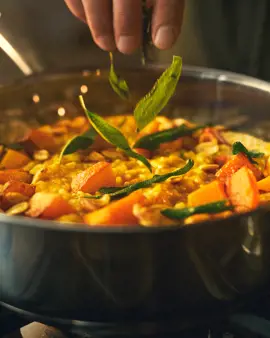
A pea and prawn risotto brings together a rich shellfish stock, sweet peas, and butter-fried prawns for a fresh take on a seafood favourite, while pumpkin risotto offers a softer, sweeter approach, finished with crisp-fried sage leaves.
If you are after bolder flavours, mushroom and blue cheese risotto folds tangy gorgonzola into the rice for extra creaminess, balanced with lemon and parsley. And when there is risotto left over, turn it into golden arancini. Crisp on the outside with a molten centre, they are Sicily's answer to leftovers and one of the best reasons to make extra risotto in the first place.
Storing rice
Dry, uncooked rice keeps very well when stored properly. Move it into an airtight container after opening, keep it somewhere cool, dark, and dry, away from dampness, and it will stay good for a long time.
White and other milled rice, such as parboiled rice, are the most durable and will last a year or more, since removing the bran and germ removes the parts that eventually spoil. Wholegrain types like brown, black, and wild rice keep for around six months, because the natural oils in their intact bran turn foul over time.
Cooked rice should be cooled within an hour and stored covered in the fridge. It will last up to four days. Reheat it only once and make sure it is hot all the way through before serving. Cooked rice also freezes well for around a month.
Rice cooking tips
A few simple habits make the difference between rice that is light and full of flavour and rice that turns out sticky or bland. Here are the tips you should remember.
Rinse before cooking
Give most rice a rinse under cold water until it runs clear before it goes near the saucepan. This washes off the loose surface starch that would otherwise make the grains clump, leaving them lighter and more separate once cooked. For basmati and jasmine, a 15–30-minute soak after rinsing helps the grains cook evenly and retain their natural aroma.
Build flavour from the start
Water will cook rice perfectly well, but a few additions take it from good to glorious. Melt a good measure of Lurpak® in the saucepan and gently fry your aromatics first, whether that is onion, garlic, lemon zest, tomato paste, or whole spices like cardamom, cumin, or a cinnamon stick. Stirring the rice through the buttery aromatics before the liquid goes in coats every grain and carries the flavour right through the dish. Cooking rice in stock deepens it further, and a bay leaf dropped into the pot lends a quiet, savoury warmth. For more ways to elevate your rice flavour, see our guide to flavoured rice.
Rest it off the heat
When you have finished simmering, take the saucepan off the heat and leave it with the lid on for around 10 minutes. This lets the last of the steam finish the grains gently and evenly, and will firm them up. Lifting the lid to peek lets the steam escape, so it is best left alone until the 10 minutes are done.
Fluff, do not stir
Once rested, run a fork through the rice with a light lifting motion rather than stirring it. Stirring works out the starch and mashes the grains together, while fluffing separates them and lets the steam escape, leaving the rice light. It is also the moment to fork through a final knob of Lurpak® for a little richness and shine.
FAQ: Questions about rice
Still have a question or two about cooking and keeping rice? Below are quick answers to some of the most common queries, from how much to cook per person to how to store, reheat, and freeze it safely. A little know-how goes a long way towards getting the best from every pot.
-
Use 75–100 grams of uncooked rice per person, depending on what you serve it with. Rice roughly doubles in size as it cooks, so it yields a generous serving once done. Lean towards the lower end for a side dish and the higher end when the rice is the main event.
-
You can keep cooked rice in the fridge for up to four days. The key is to cool it quickly after cooking and store it in an airtight container.
-
Yes, you can reheat cooked rice, as long as it was cooled and chilled promptly after its first cooking. Add a small splash of water to bring back moisture, then heat it thoroughly on the hob or in the microwave until hot throughout. Reheat it only once, and do not return it to the fridge.
-
Yes, you can freeze cooked rice, and it freezes very well. Cool it quickly, pack it into an airtight container or freezer bag, and it will keep for around a month. Thaw it in the fridge, or reheat it straight from frozen with a splash of water, until it is hot through and through.